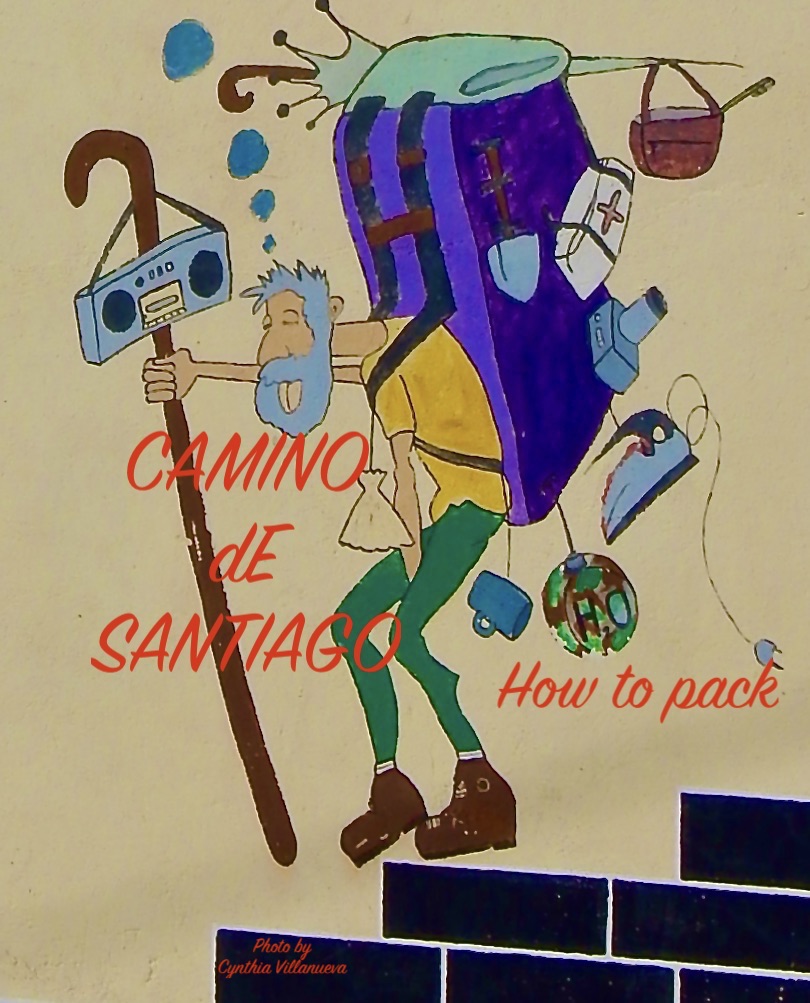
Well, you don’t want to pack anything; remember it’s a backpack and not a suitcase.

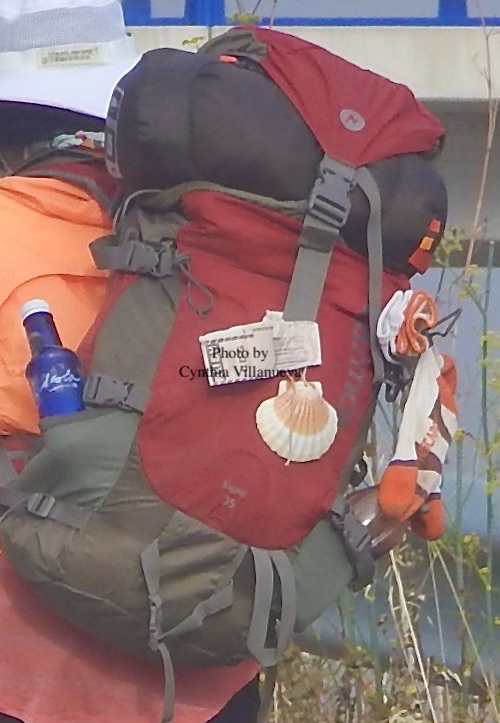
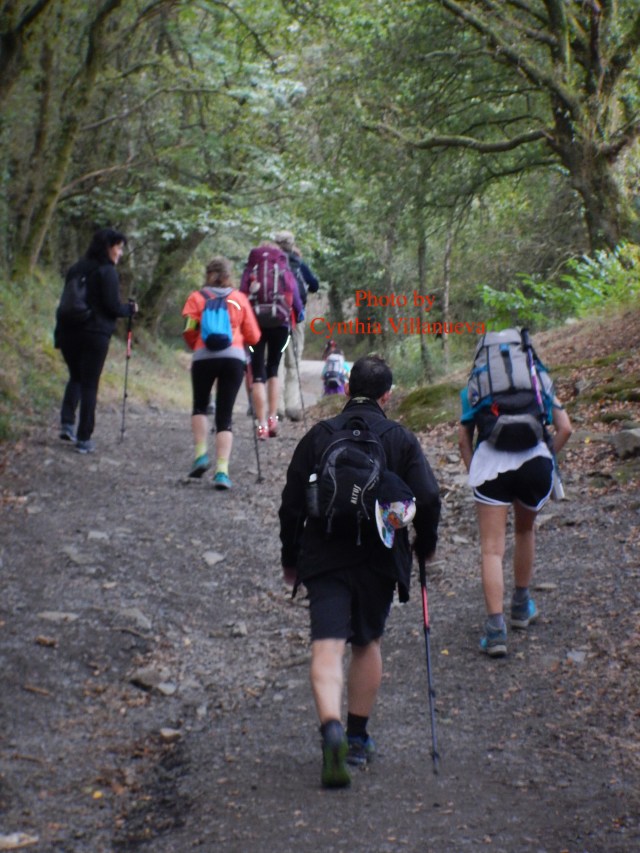
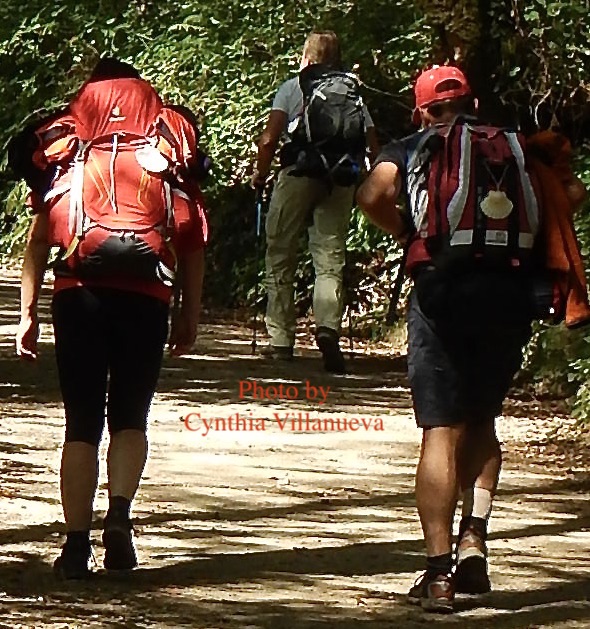
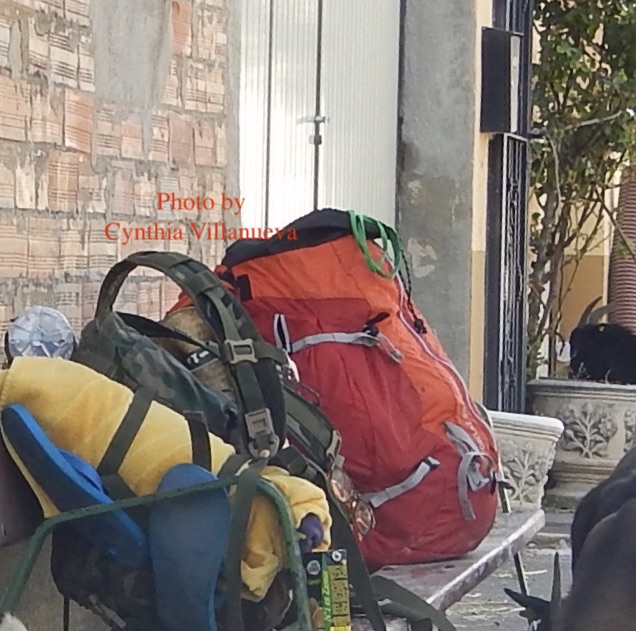
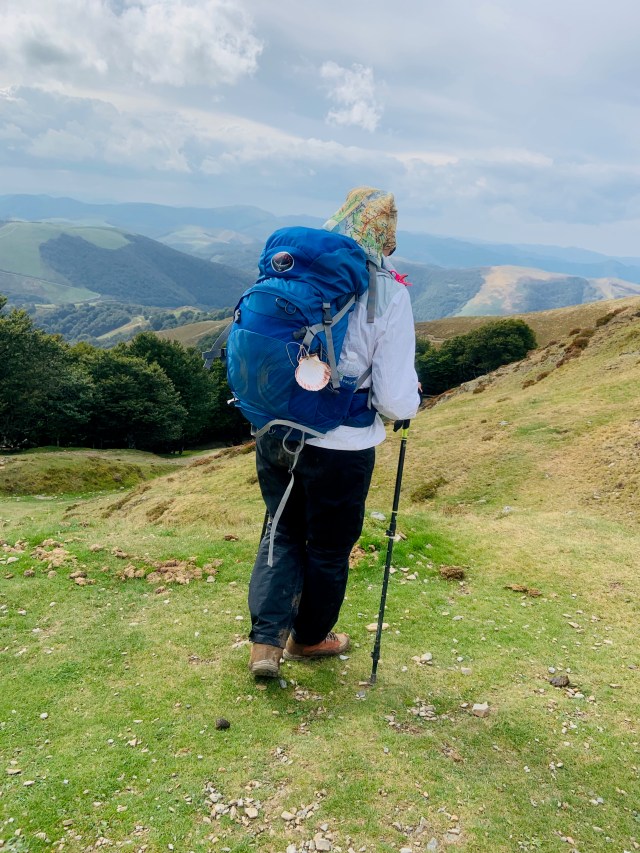
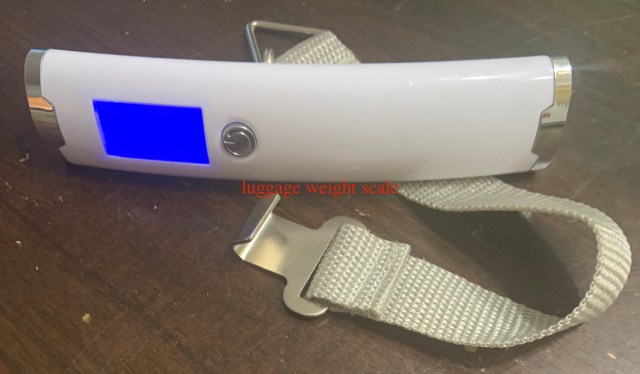
As you can see the various Camino backpacks, which one will be yours? The heavier the pack, the more strain this will become on your: shoulders, back, knees, ankles, and feet; all equate to aches and pains, and let’s not forget blisters! I recommend that you buy a luggage weight scale (under 10 dollars) to weigh your bag. I packed 15 percent of my body weight, and that was my golden number for me. I repacked numerous times, eliminate, and downsized to only packed what was necessary!
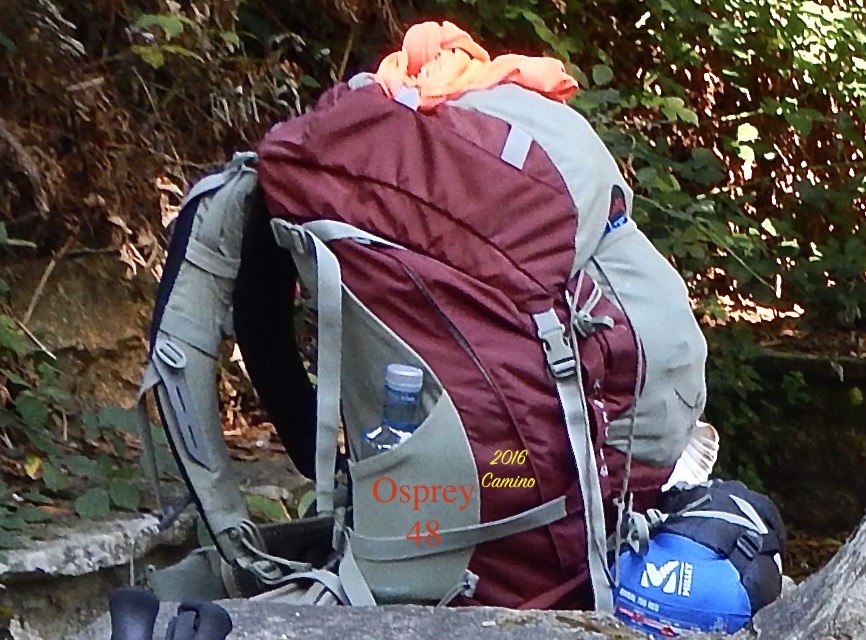
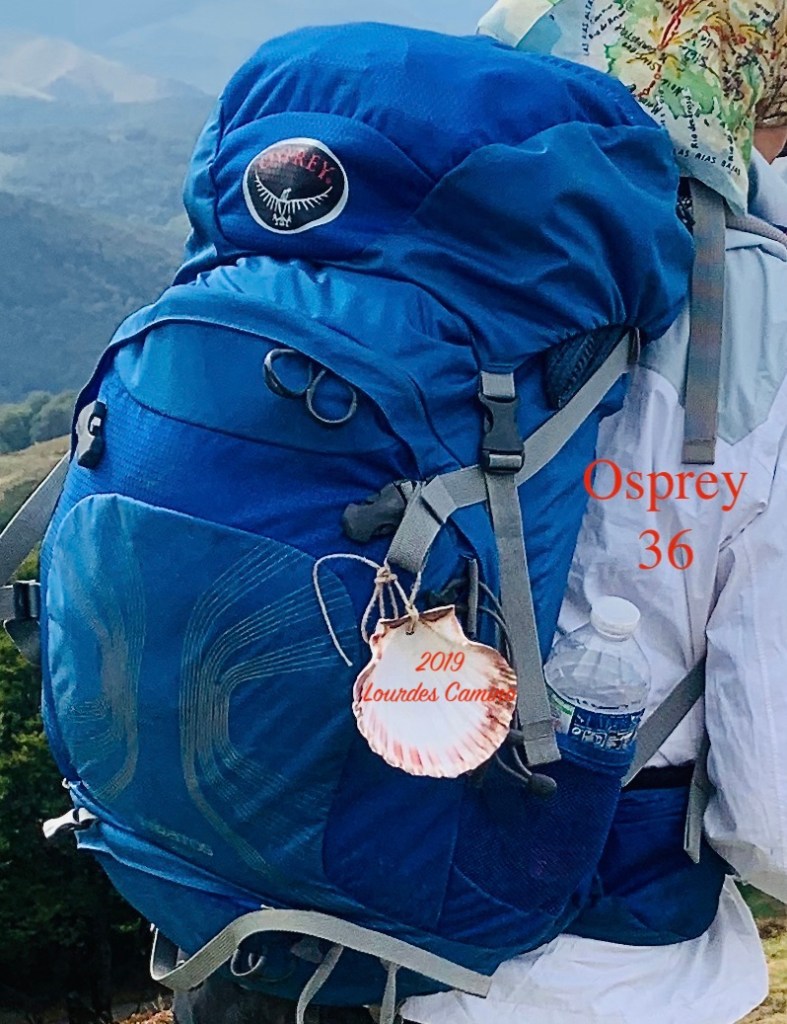
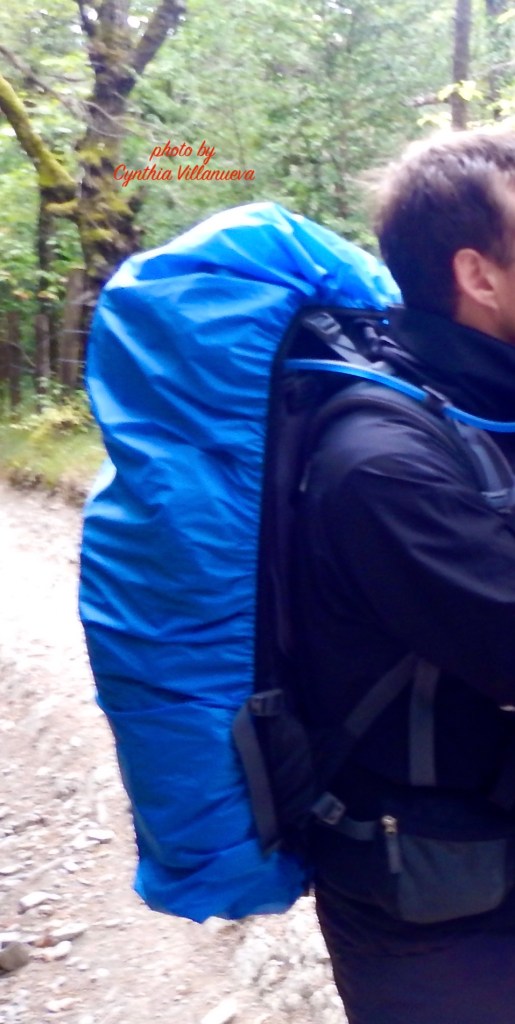
The Osprey 48 and the 36 packs are similar; however, the 36 did not have side zipper compartments, only side pockets. The 48 was easy to overpack with plenty of room; the 36 is perfect if you’re that light packer and want to stay 10-13 percent of your body weight. Both bags have a water-proof rain protector to cover your gear. It’s optional to use a hyddration bag in your pack. The hydration bag sells seperately; 2-litter is a good size. I purchased both my Osprey backpacks and hydration bag at REI. Try to buy your equipment on sale and off-season to save on dollars.
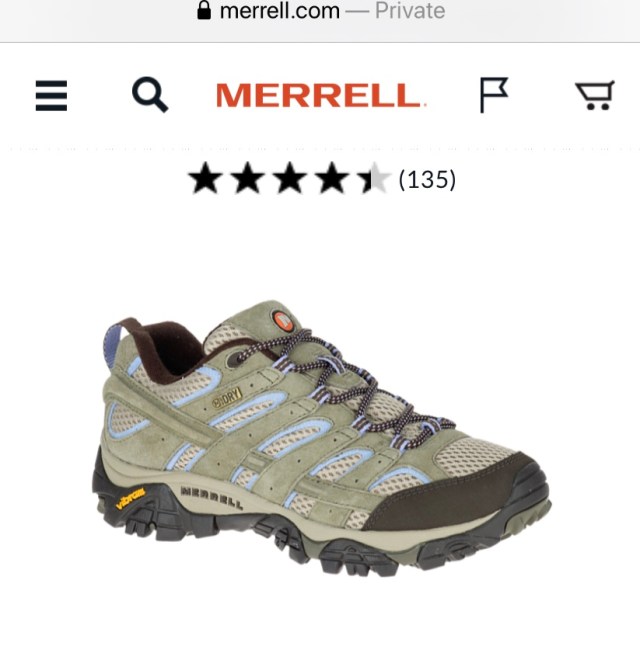
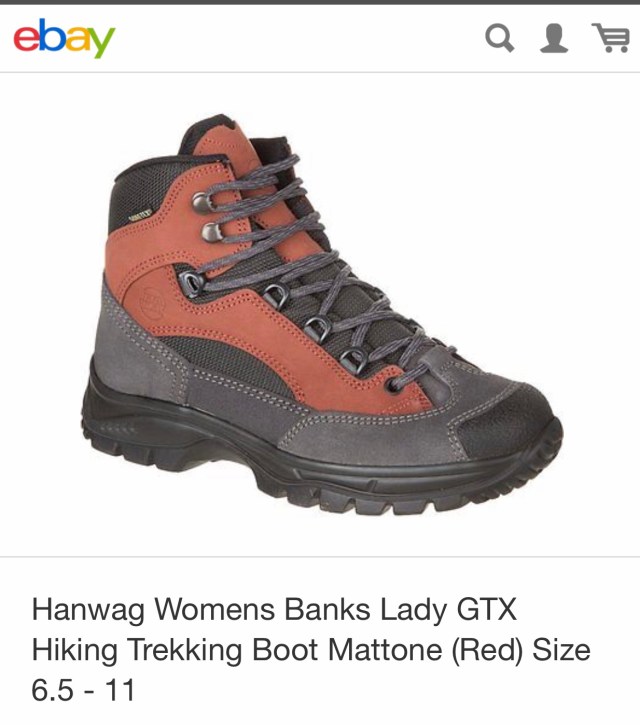
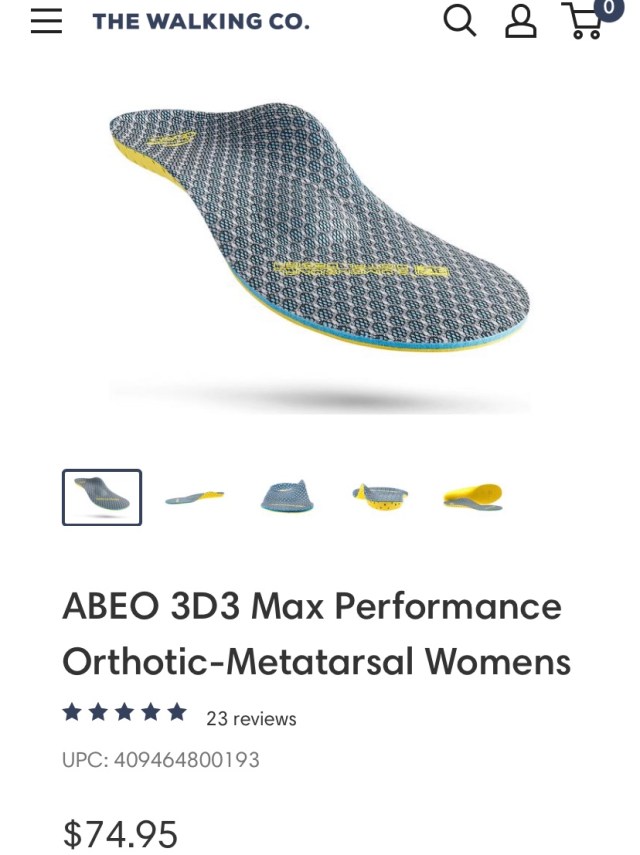
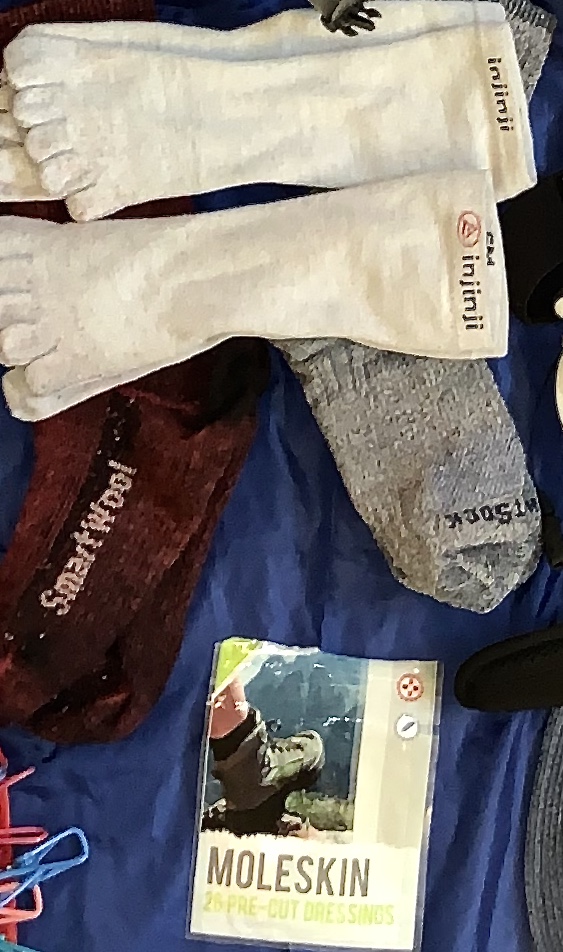
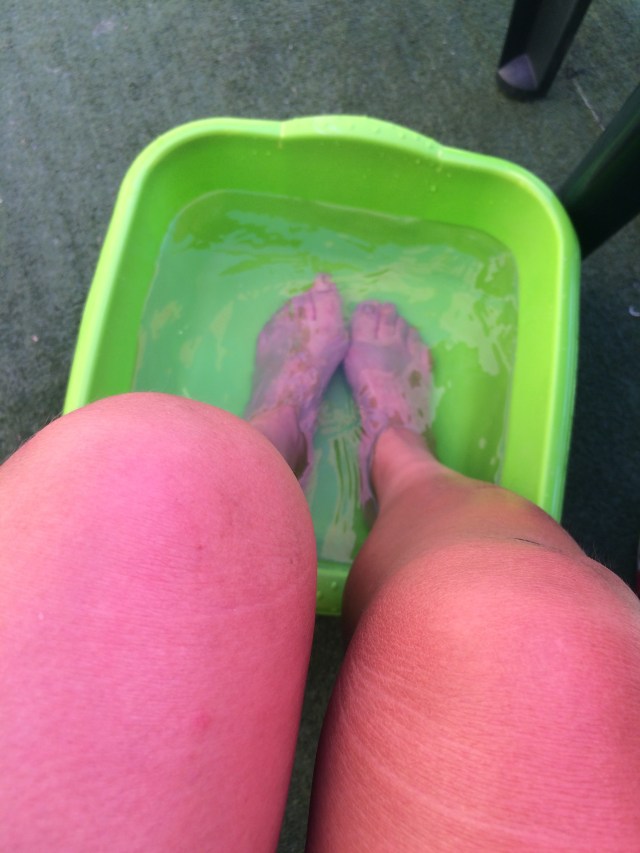
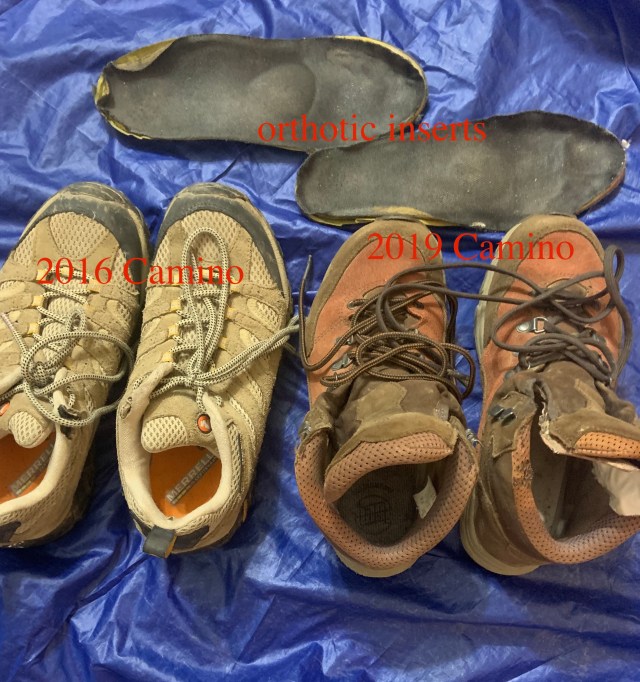
Be kind to your feet and give them the proper care and footwear they need to succeed on your Camino! Let’s begin with moleskin to help prevent friction, hotspots, and blisters. You can buy this at any drugstore or supermart store; I precut the moleskin and packed several packets. I appreciated my orthotic arch support, gave me the comfort I needed,purchased at The Walking Company(this is optional). The Injinji liner socks are breathable and helped to protect my feet from moisture and blisters. My Smartwool socks made from Merino wool, were comfortable and dry. Finally, the boot or shoe? I used both on two different Camino’s. I highly preferred the ankle boot over the shoe. I did not want to strain my ankles without support from various terrain; rocks, hills, grass, gravel and mud. When I went shoe shopping, I brought all my stuff: the orthotic inserts, liner and wool socks and tried multiple boots and shoes. I hiked in my boots and shoes for about two months before my Camino. I was able to recognize hot spots, and what what worked and did’nt work for my feet. Soaking my feet in a bucket of cold water was an excellent way to soothe my tired feet! I never had a problem finding a bucket at any hostel.
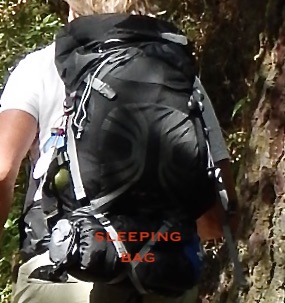
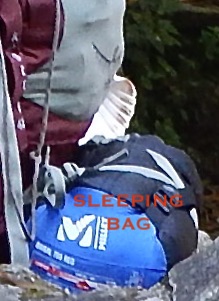
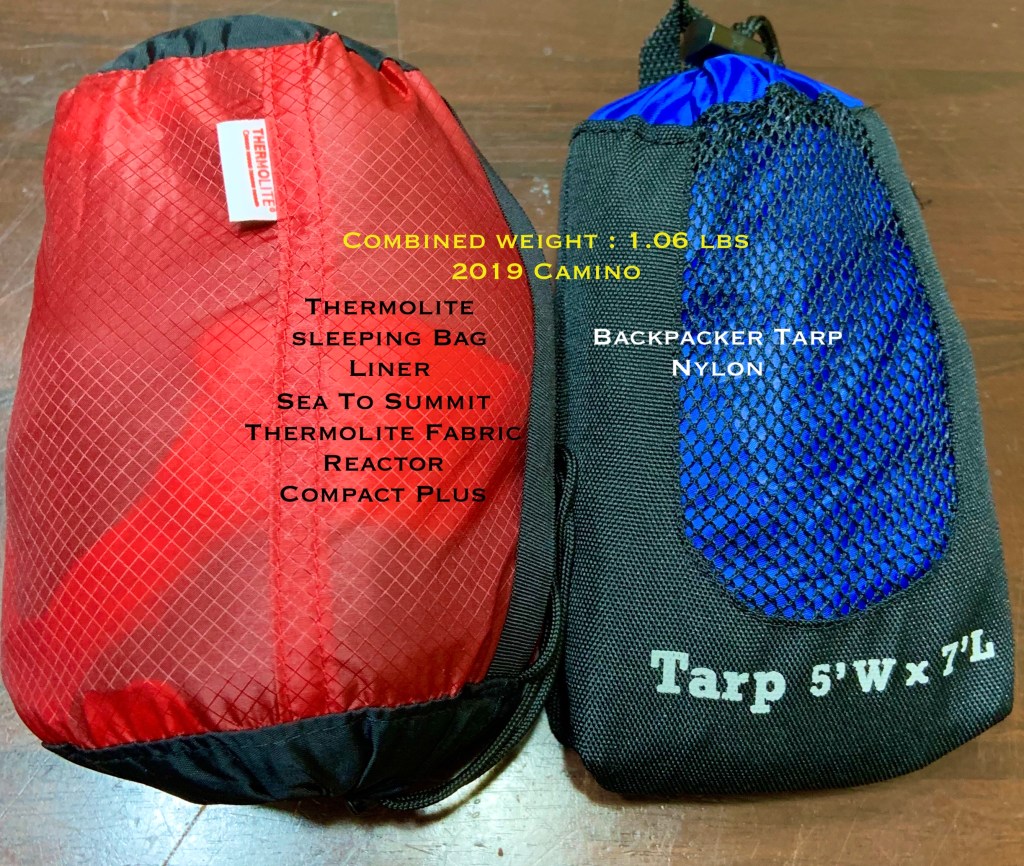
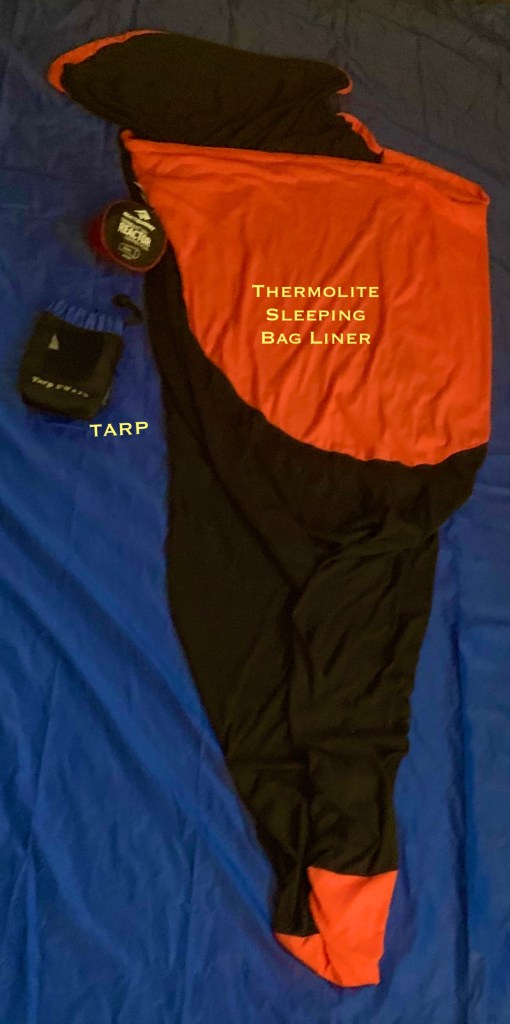
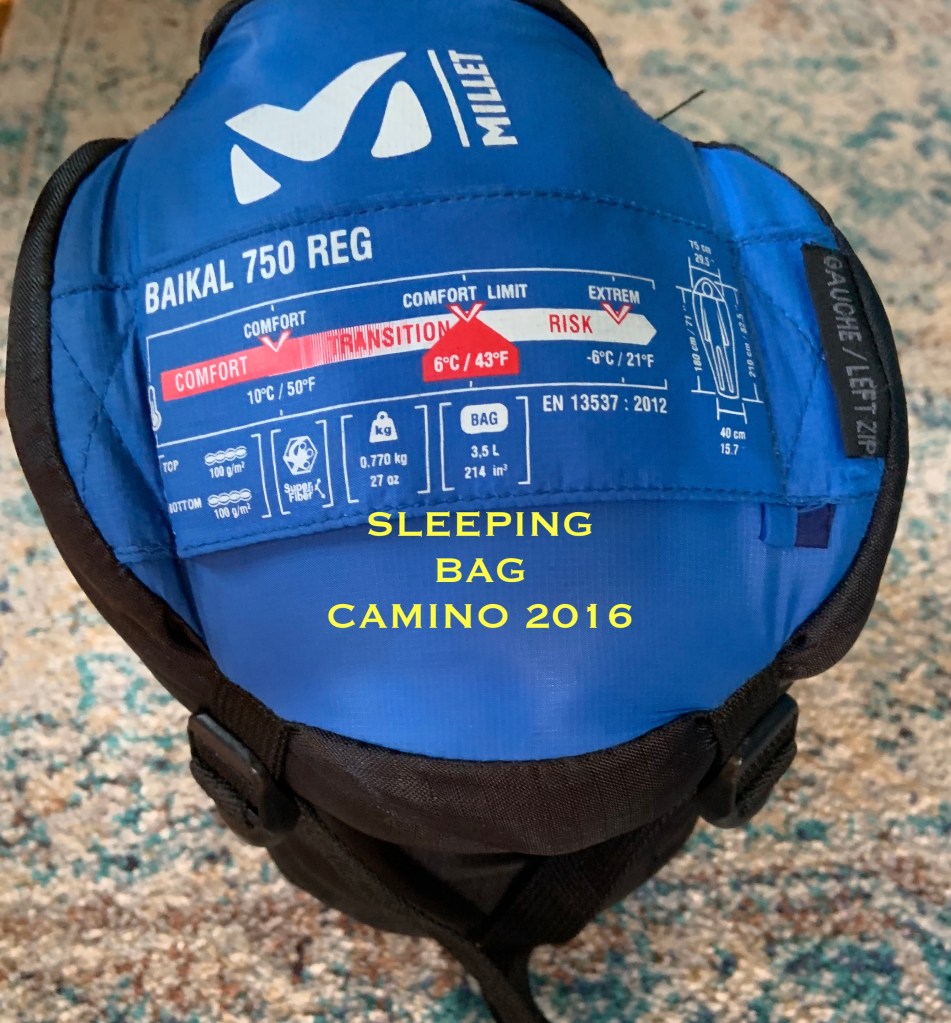
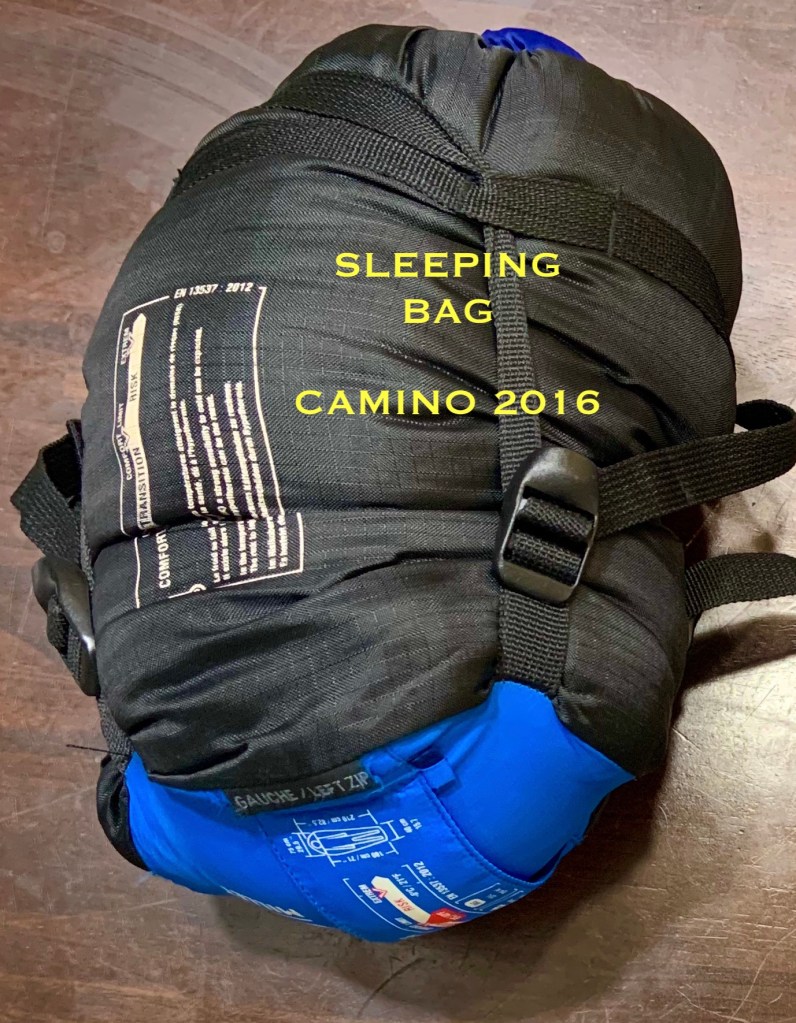
Sleeping bag, liners to tarps, where do I begin? I used all three in two different Camino’s 2016 and 2019. In August 2016, I only packed the tarp, and somewhere in the third week of my Camino, I bought a sleeping bag, due to cooler tempertures at night. I used my tarp as a barrier from preventing bed bug bites; if I wanted to pull over on the road’s side onto the grass, I would pull my tarp out and lay down for a short rest! In my second Camino 2019, I used the tarp with the sleeping bag liner. Common sense and good judgment if you are going in the colder months, use the sleeping bag. Summer months, use the sleeping bag liner. The tarp made out of nylon is optional. The sleeping bag cost me forty dollars in Spain, and the sleeping bag liner I purchased at REI for seventy dollars, the tarp was ten dollars purchased at Walmart.
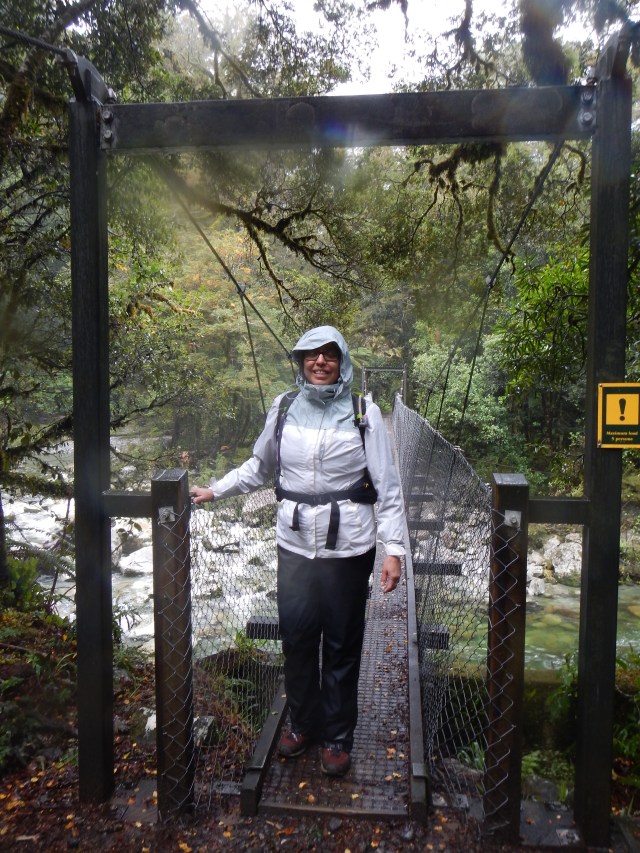
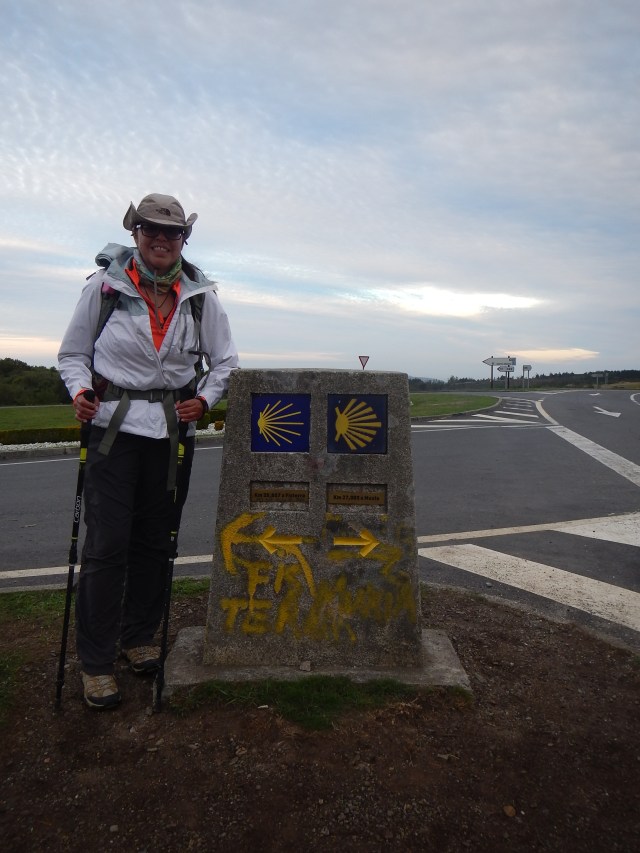
Walking in the rain can be extremely uncomfortable in wet, damp clothes if your not well equipped. I prefer the rain pants and rain jacket over the pancho. I used Columbia brand rain gear, both light weight with air vents. One photo was from a different hike in my rain gear.
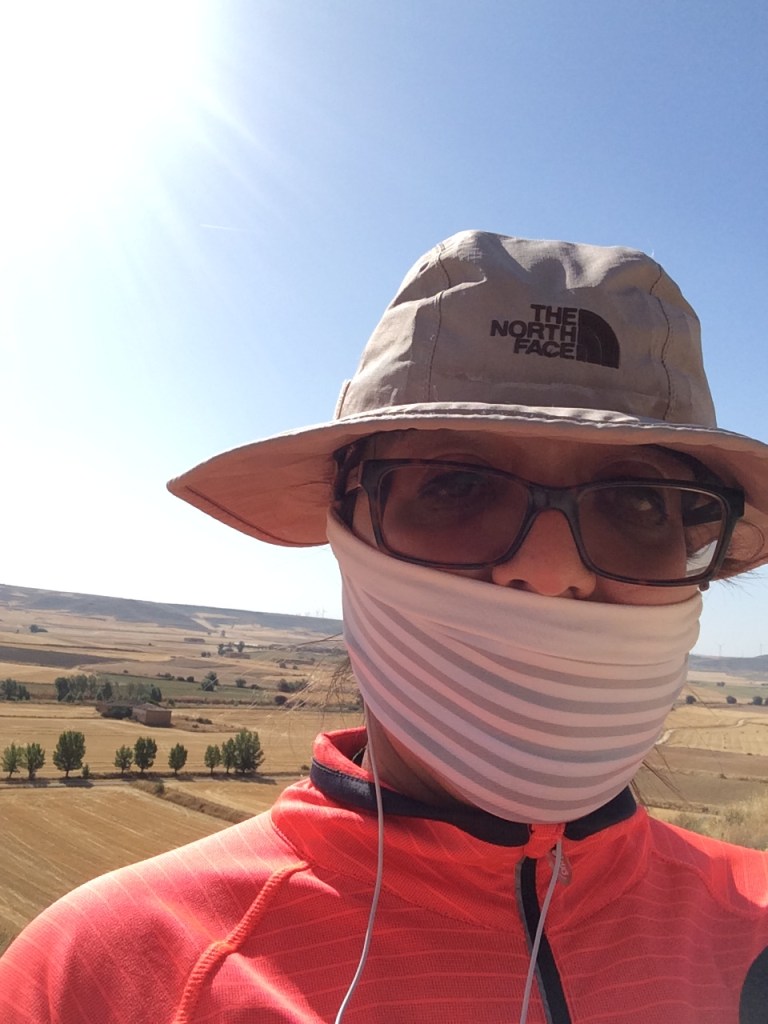
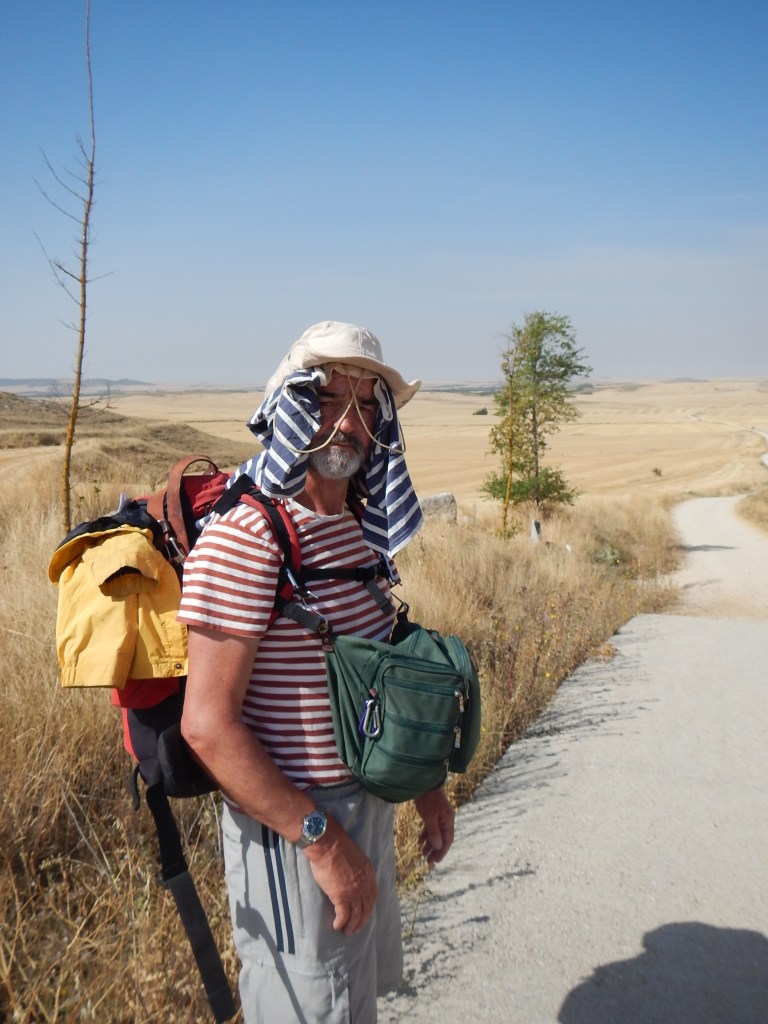
Make sure you pack the sunblock, and a hat for those scorching sunny days. You will use anything to protect yourself from the swelterting long hikes without shade!
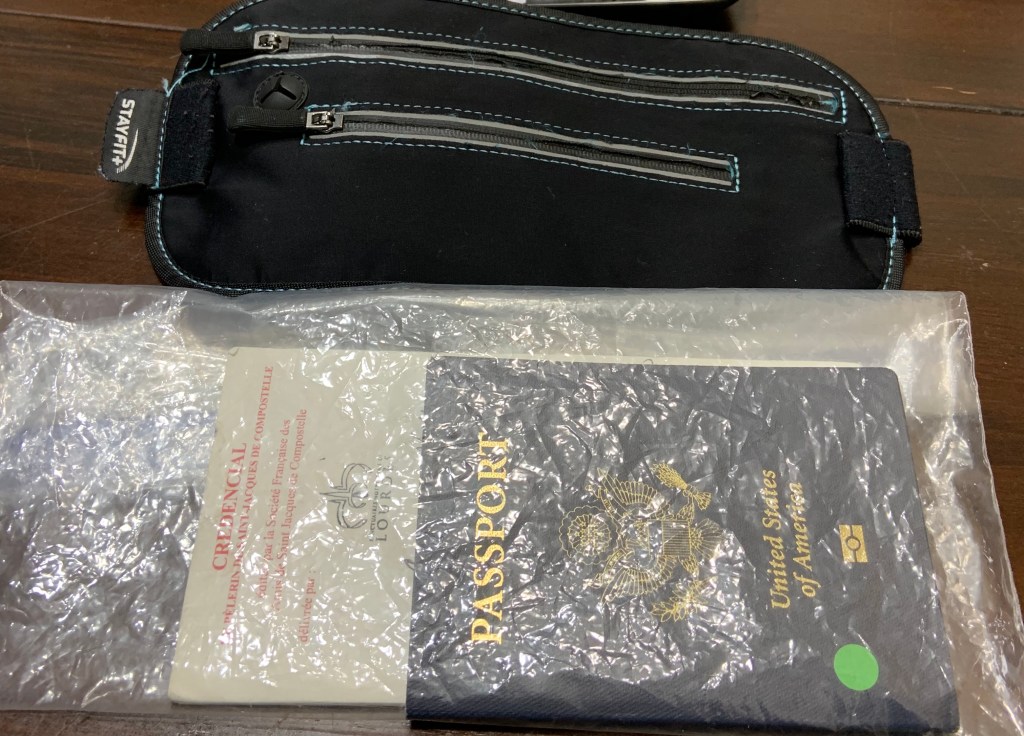
Camino Passport and Passport, kept dry in ziplock bag.
Here is a list of the last few items:
*small travel towel (Walmart) * undergarments 2 or 3 *Fleece pullover (Columbia brand)*dry bag(Walmart)*wire clothespins(Dollar Store)6*Headlamp(Cabela’s)*European plug adapter*backup charger*smartphone USB*toothbrush*toothpaste*pair of flip-flops*chapstick*swimsuit(optional)*hiking poles(REI)*camera(optional)*use dry-fit fabric for clothing; avoid cotton fabric. *1 dry-fit t-shirt*1 long sleeve dry-fit shirt with pockets*1 dry-fit long sleeve shirt*1 pair of shorts* 1 dry-fit pants*leggings*tank-top*rain jacket*rain pants. Finally, *mask*hand sanitizer.
*


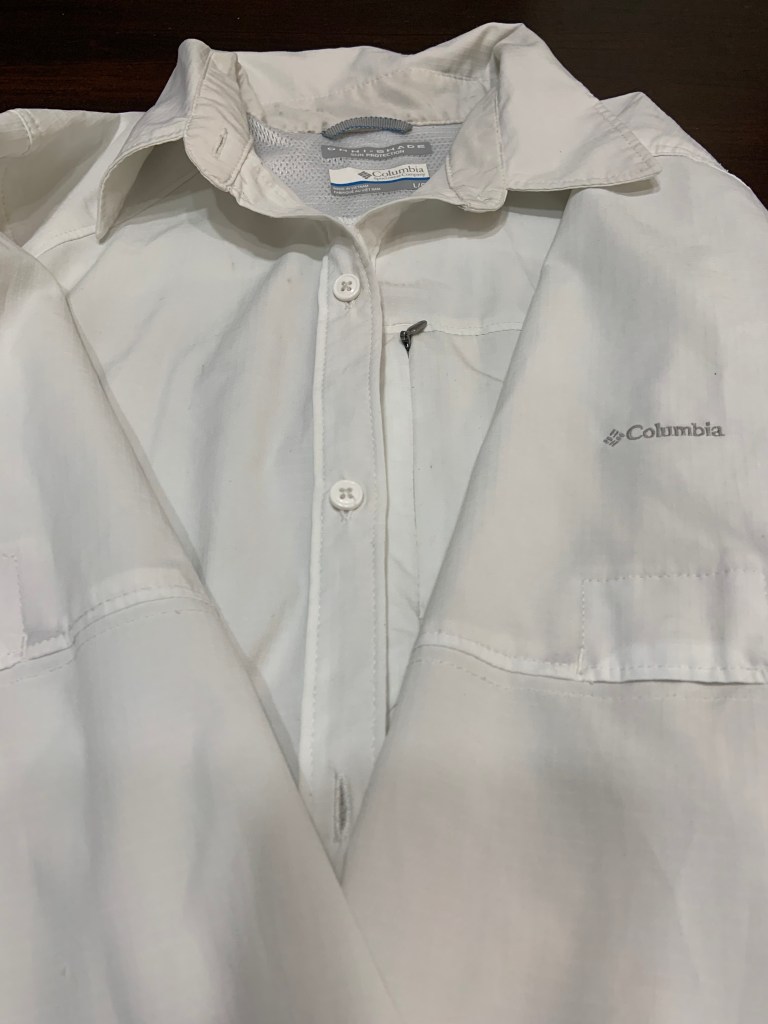
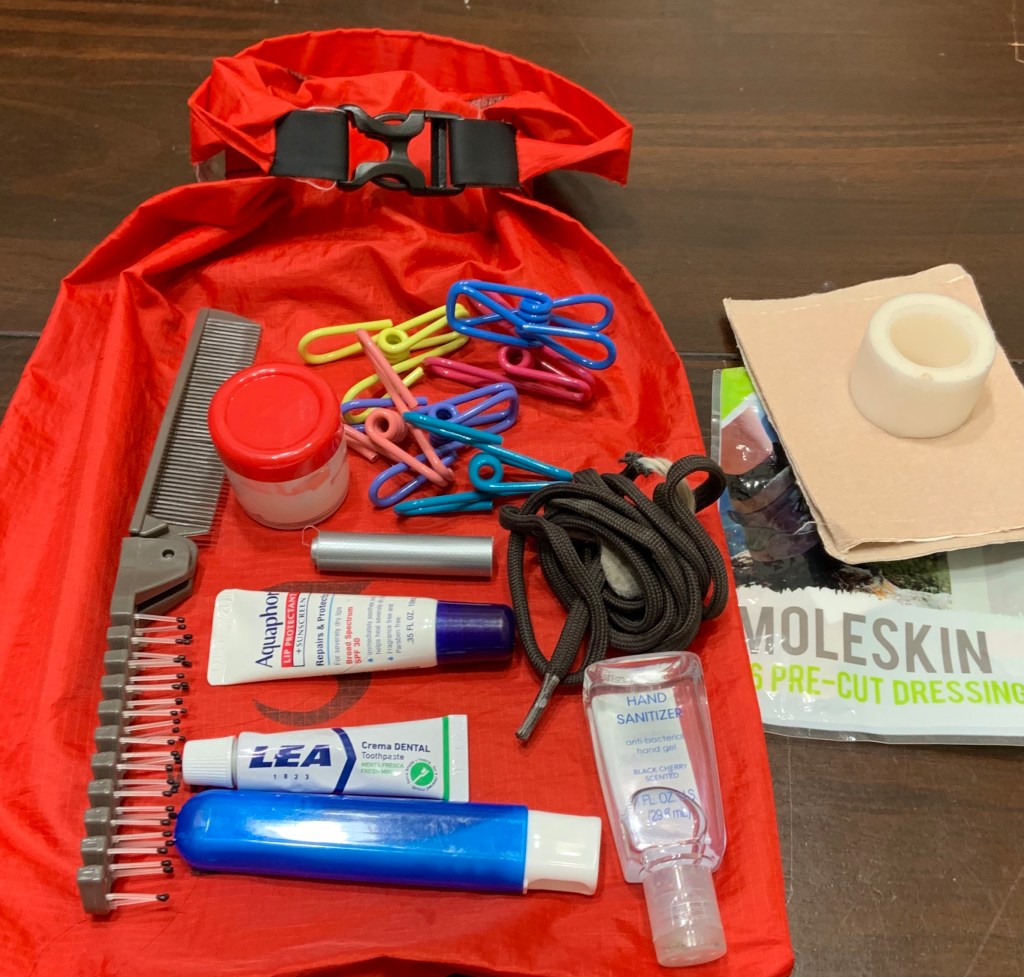
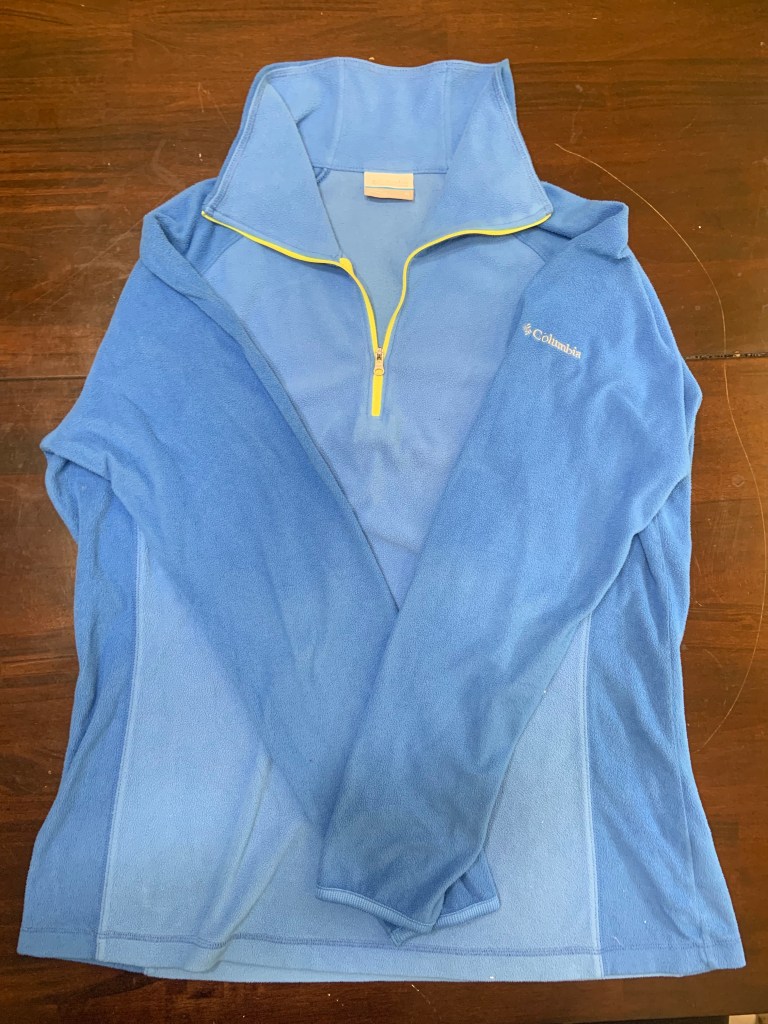
If you plan on hiking future Camino’s and beyond, this becomes an investment in quality, long-lasting equipment, and clothing. Importantly, wear what you feel comfortable! Everyone is different. These are just ideas and suggestions.

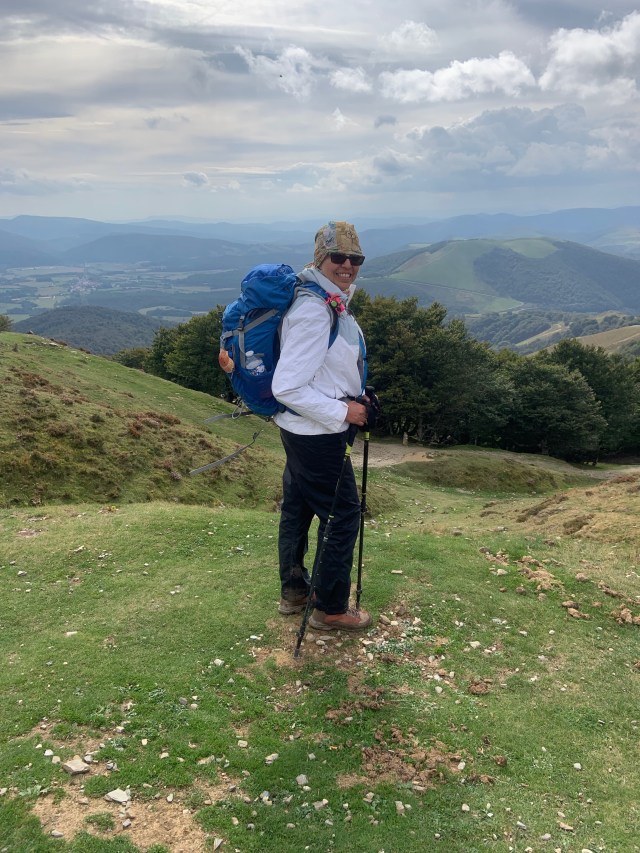
I hope this was helpful and insightful for your future Camino! I wish you a safe and memorable Camino!
Thank you!
Cindy
 Travel Bird 4488 p